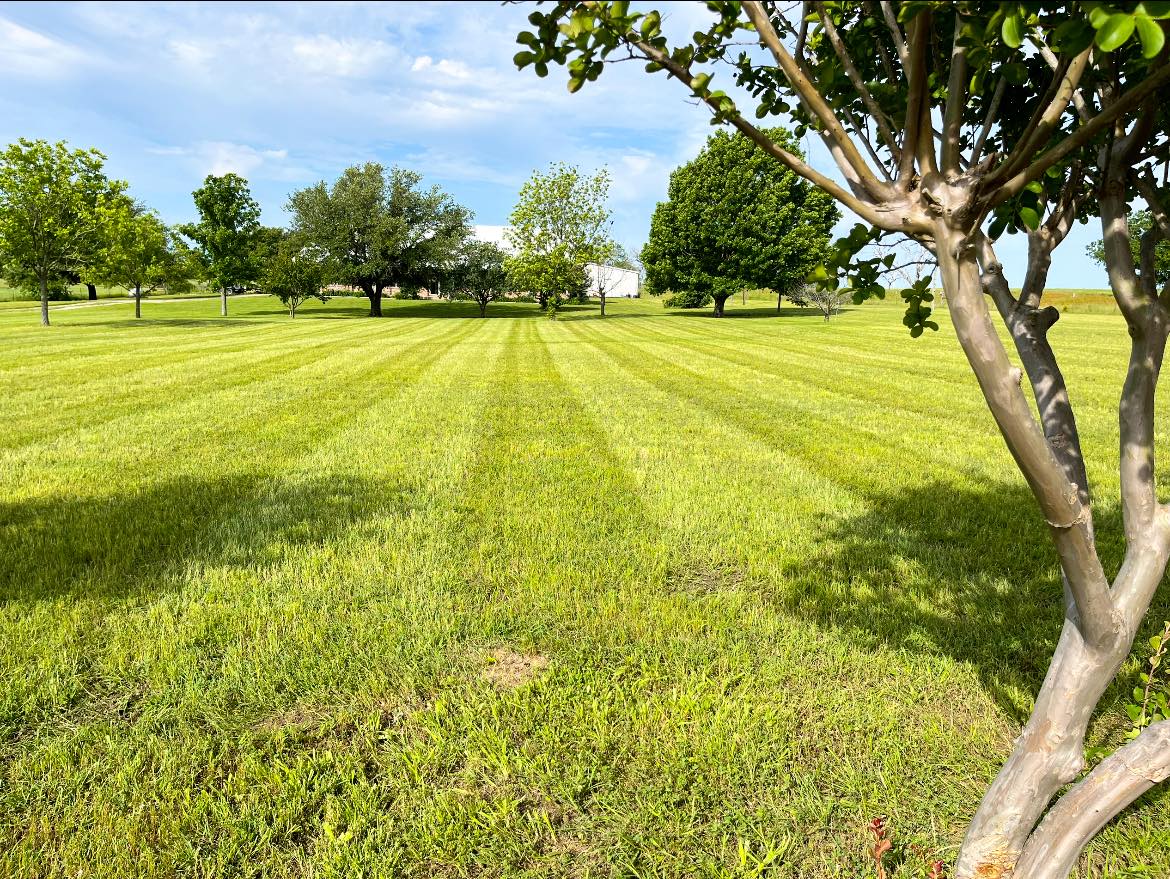
The Green Revolution: Embracing Sustainable Practices in Landscape Design Jun 22, 2026
The journey towards sustainable landscaping begins with understanding the ecological needs of your area. Native plants play a pivotal role in this approach, as they are inherently adapted to local conditions and require less water, fertilizer, and pest control. By incorporating native flora into your garden design, you not only create a habitat for local wildlife but also reduce your environmental impact. This simple step is foundational for maintaining ecological harmony and achieving a low-maintenance landscape.
Water conservation is another critical aspect of sustainable landscaping. Traditional irrigation methods can lead to significant water waste, especially during peak summer months. Instead, consider integrating smart irrigation systems that adjust watering schedules based on weather conditions and soil moisture levels. Furthermore, rainwater harvesting systems can be implemented to collect natural precipitation, providing a free and environmentally-friendly water source for your garden.
Soil health is paramount in sustainable gardening practices. Instead of relying on synthetic fertilizers, which can leach into and pollute water bodies, opt for organic alternatives. Composting kitchen scraps and yard waste not only enriches the soil with nutrients but also reduces the amount of waste sent to landfills. Mulching serves multiple benefits by retaining soil moisture, suppressing weeds, and regulating soil temperature. Healthy soil supports robust plant life and minimizes the need for chemical interventions.
Another innovative practice gaining popularity in eco-friendly landscape design is xeriscaping, which involves the strategic use of drought-tolerant plants. By carefully selecting plant species that can thrive with minimal water, you can create a beautiful, sustainable yard that is both cost-effective and resilient to climate variations. This is particularly advantageous for regions prone to water scarcity or long dry spells.
The integration of hardscaping elements can further enhance sustainability in your landscape design. Materials such as permeable pavers, gravel, and reclaimed stone allow water to filter through the ground naturally, reducing runoff and promoting groundwater recharge. These elements not only add visual interest to your landscape but also functionally contribute to environmental conservation.
Energy efficiency is not to be overlooked in sustainable gardening. By strategically positioning trees and shrubs, you can optimize shading and wind protection, reducing reliance on artificial heating and cooling systems in your home. This not only lowers energy bills but also enhances the overall comfort of your living space.
In conclusion, embracing sustainable practices in landscape design is more than a trend—it's a necessary shift towards environmental stewardship. At Piña’s Lawncare, we are committed to supporting this transformation by providing expert guidance and services to help you create eco-friendly landscapes that are both stunning and sustainable. Whether it's through the integration of native plants, water-saving techniques, or renewable materials, each step towards sustainability contributes to a healthier planet. Join the Green Revolution today and see how your yard can thrive in harmony with nature.
/filters:no_upscale()/filters:format(webp)/media/f4290e46-83eb-4803-91d2-6178487ce472.jpeg)