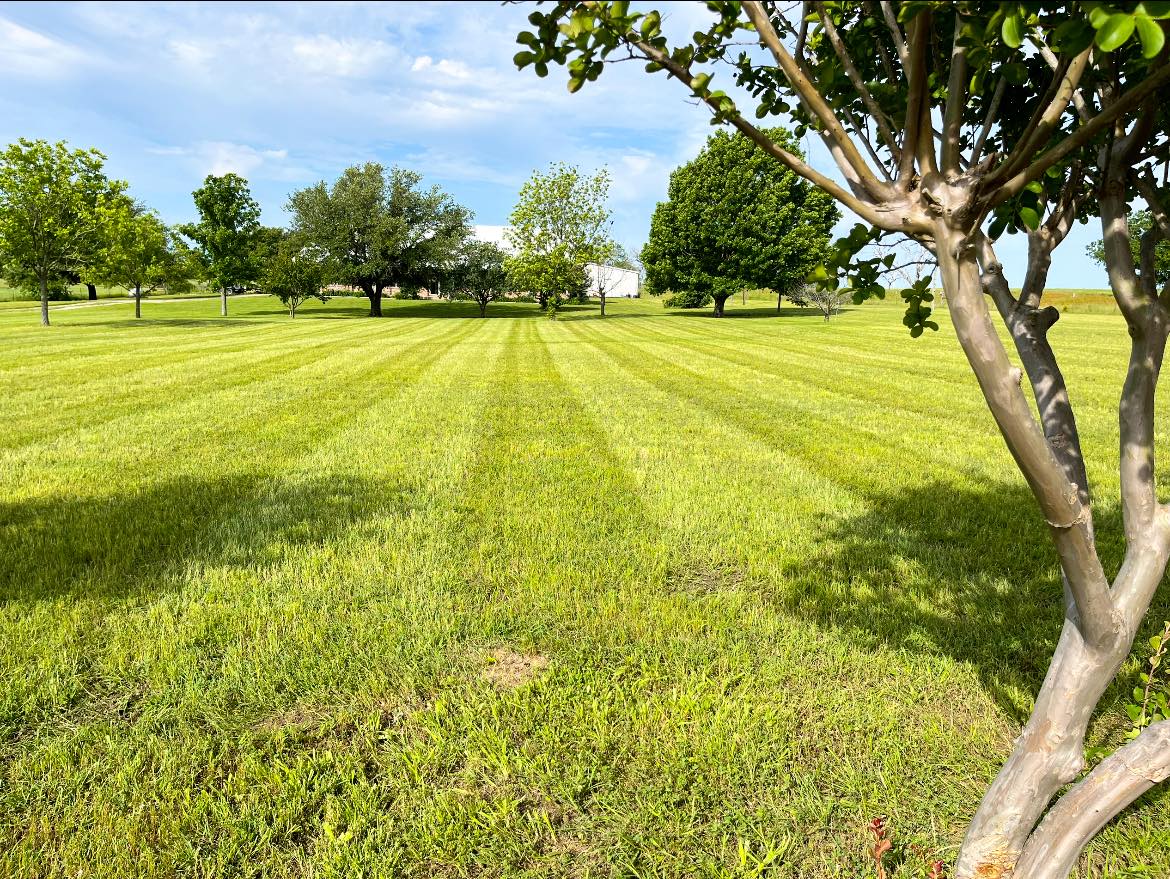
Mastering the Art of Lawncare: Essential Tips for a Green, Healthy Lawn Mar 09, 2026
To set the foundation for a lush lawn, begin with understanding your soil. Soil testing is crucial as it identifies pH levels and nutrient deficiencies, enabling you to choose appropriate fertilizers to create an optimal growth environment. Healthy soil not only supports grass but also encourages the robust growth of plants and flowers. Investing some time in soil preparation can lead to long-term health and attractiveness for your lawn.
Once you have healthy soil in place, the next step is selecting the right type of grass for your climate and lawn usage. Factors such as sun exposure, shade, and how much wear your lawn will endure should inform your decision. For example, Kentucky Bluegrass is suitable for northern climates due to its cold tolerance, while Bermuda grass thrives in hot, sunny regions. Choosing the appropriate grass ensures better resilience and a more uniform appearance.
One common mistake in lawncare is improper mowing. The ideal tip is to never cut more than one-third of the grass blade in a single mow, which helps maintain the grass's natural growth cycle and prevents stress. Furthermore, adjusting your mower's height according to the season can significantly boost lawn health. In hotter months, allow your grass to grow taller to provide shade to the roots, whereas in cooler months, shorter cuts can be beneficial.
Watering is another critical element in maintaining a healthy lawn. Early morning watering is recommended as it reduces water evaporation and allows the grass to dry before nighttime, deterring disease. Deep and infrequent watering encourages deeper root systems and drought-resistant grass. Aim for about an inch of water a week, which is generally sufficient to keep your lawn thriving without overwatering.
Lawn aeration, often overlooked, is vital to your lawn's vitality. Aeration involves perforating the soil to allow air, nutrients, and water to penetrate grass roots. This process alleviates soil compaction and promotes root growth, making your grass stronger and healthier. It is especially beneficial in regions with dense clay soil or heavily utilized lawns.
Regular fertilization is essential for providing your lawn with the nutrients it needs to thrive. Choose a fertilizer that suits your specific grass type and follow a seasonal schedule. Spring and fall are typically the best times to fertilize, as they coincide with the major growth periods for most lawn grass types.
In conclusion, mastering the art of lawncare hinges on understanding the unique needs of your specific landscape and adhering to best practices in lawn management. With patience and perseverance, your efforts will bear fruit as your lawn transforms into a lush, green haven. At Piña’s Lawncare, we're ready to assist you in your lawncare journey, ensuring you have the tools and expertise needed to achieve the ideal outdoor space. Whether tackling tasks independently or seeking professional landscaping and hardscaping services, remember that a delightful lawn is not just a possibility but an achievable goal.
/filters:no_upscale()/filters:format(webp)/media/f4290e46-83eb-4803-91d2-6178487ce472.jpeg)